CommerceTop Home

Category

Merchant Resources & Due Diligence

21 articles

Captive by Design: How Integrated Supplier Systems Turn Switching Costs Into Strategic Chains

Captive by Design: How Integrated Supplier Systems Turn Switching Costs Into Strategic Chains

Many merchants believe they maintain full control over their supplier relationships—until the moment they try to leave. Integrated systems, custom tooling, and years of accumulated process dependencies can quietly transform a productive partnership into an inescapable arrangement. Understanding how captivity develops, and how to measure it before it's too late, is one of the most underappreciated disciplines in modern B2B commerce.


Compliance Theater: Why Your Supplier Audits Are Blind to the Failures Coming Next Quarter

Compliance Theater: Why Your Supplier Audits Are Blind to the Failures Coming Next Quarter

Standard supplier audits are designed to confirm what already happened—not to detect what is about to go wrong. From deteriorating financials to executive departures and aging infrastructure, the signals that precede supplier collapse rarely appear on a conventional audit checklist. Forward-thinking merchants are adopting a new approach to due diligence that looks ahead rather than backward.

Every Vendor Has an Expiration Date: How Smart Merchants Stay Ahead of Partnership Decay

Every Vendor Has an Expiration Date: How Smart Merchants Stay Ahead of Partnership Decay

Even the most productive supplier relationships carry a hidden shelf life—one that most merchants only discover after performance has already declined. This article examines how market drift, shifting priorities, and relationship fatigue quietly erode supplier compatibility, and offers a structured approach to auditing your vendor portfolio before the warning signs become emergencies.

Gone Without Notice: What to Do When a Supplier Simply Stops Responding

Gone Without Notice: What to Do When a Supplier Simply Stops Responding

Across the US retail landscape, merchants are encountering a troubling pattern: suppliers who cease communication or operations with little to no warning, leaving businesses scrambling to fill critical gaps. Understanding why this happens—and building defenses before it does—has become an essential part of modern vendor management.

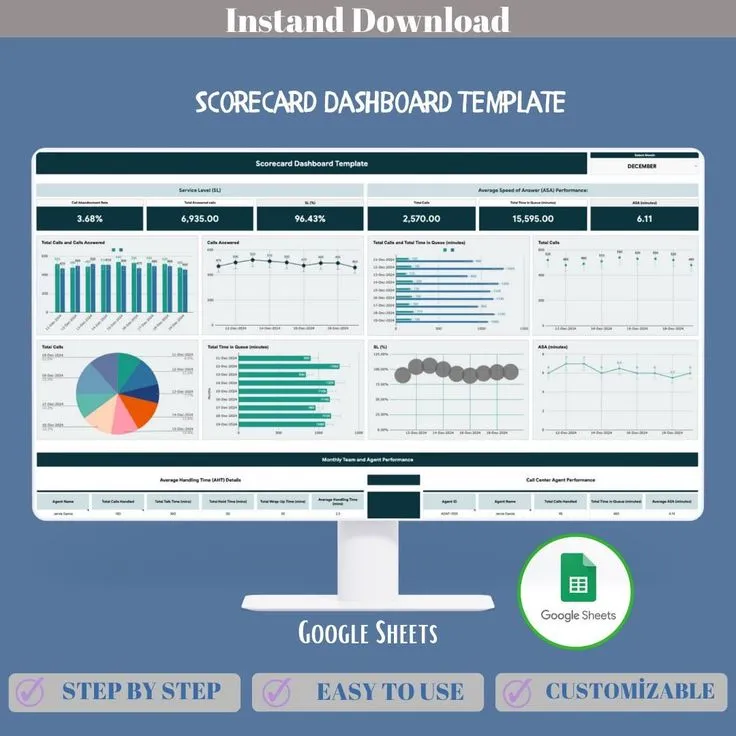
When Green Lights Mean Danger: How Aggregate Supplier Scores Conceal the Risks That Matter Most

When Green Lights Mean Danger: How Aggregate Supplier Scores Conceal the Risks That Matter Most

A supplier's impressive overall performance rating can be one of the most misleading data points in a merchant's toolkit. Beneath those reassuring numbers, category-level failures, regional bottlenecks, and seasonal vulnerabilities often go undetected until the damage is already done. This article examines why composite scorecards create blind spots—and how merchants can build diagnostic frameworks that reveal what averages routinely hide.

When Reliability Becomes a Burden: The Overstock Trap Hidden Inside Your Best Supplier Relationships

When Reliability Becomes a Burden: The Overstock Trap Hidden Inside Your Best Supplier Relationships

Dependable suppliers are every merchant's goal—until consistent fulfillment quietly floods your warehouse with inventory you cannot move fast enough. The surplus problem is rarely framed as a relationship design issue, but for many US merchants, that is precisely what it is. Understanding this distinction may be the most important shift in how you manage your top supplier partnerships.

When Perfect Scores Kill Progress: The Hidden Cost of Rigid Supplier Metrics

When Perfect Scores Kill Progress: The Hidden Cost of Rigid Supplier Metrics

Merchants who demand flawless KPI performance from their suppliers may be inadvertently engineering out the very creativity that drives competitive advantage. Rigid scorecards reward predictability but silently penalize the experimentation that leads to cost breakthroughs and product innovation. Understanding this trade-off is essential for any merchant serious about long-term growth.

Are You the Problem? How Merchants Unknowingly Drive Supplier Turnover—and What to Do About It

Are You the Problem? How Merchants Unknowingly Drive Supplier Turnover—and What to Do About It

Persistent vendor turnover is often attributed to poor supplier performance, but a closer examination frequently reveals that the merchant's own selection and onboarding practices are the root cause. This article identifies the structural patterns that trap businesses in costly cycles of replacement and offers a diagnostic framework for merchants ready to break them.

Passing Grades, Failing Partnerships: What Supplier Audits Are Structurally Designed to Miss

Passing Grades, Failing Partnerships: What Supplier Audits Are Structurally Designed to Miss

A supplier can clear every checkbox on your audit form and still be weeks away from derailing your operation. Formal review processes are built to capture data, not detect the behavioral drift and cultural shifts that quietly precede partnership failure. Understanding what audits cannot measure may be the most important due diligence skill a merchant can develop.

The Conversations You're Not Having: How Unasked Questions Leave Merchants Exposed to Supplier Risk

The Conversations You're Not Having: How Unasked Questions Leave Merchants Exposed to Supplier Risk

Most merchants treat supplier vetting as a document review exercise—certifications checked, financials scanned, references called. But the conversations that actually reveal operational red flags, capacity ceilings, and cultural misalignment rarely make it onto anyone's due diligence checklist. This article examines the specific dialogues B2B buyers must initiate before signing a single purchase order.

The True Price of Starting Over: What Merchants Rarely Factor Into Supplier Switches

The True Price of Starting Over: What Merchants Rarely Factor Into Supplier Switches

Replacing a supplier can feel like a straightforward business decision, but the full financial impact rarely shows up on a single invoice. From onboarding friction to disrupted inventory rhythms, the costs of changing vendor relationships run deeper than most merchants anticipate. This guide breaks down what switching actually costs — and how to determine whether it's worth paying.

Between the Audits: What Your Annual Supplier Reviews Are Failing to Catch

Between the Audits: What Your Annual Supplier Reviews Are Failing to Catch

Annual supplier audits built around compliance checklists and delivery statistics offer merchants a false sense of security, often missing the behavioral and operational signals that precede serious failures. Forward-thinking retailers are discovering that the most consequential warning signs emerge in the months between formal reviews. This article outlines a continuous evaluation framework designed to surface problems before they escalate into disruptions.

Beyond On-Time Delivery: The Vendor Metrics That Actually Predict Supplier Problems

Beyond On-Time Delivery: The Vendor Metrics That Actually Predict Supplier Problems

Most retailers lean on a handful of familiar KPIs to judge supplier performance, but those numbers often mask deeper operational vulnerabilities. A modern vendor scorecard requires looking past surface statistics to the behavioral and systemic indicators that signal trouble long before it reaches your shelves or your customers.

When Fewer Suppliers Becomes a Liability: The Hidden Costs of Over-Consolidation

When Fewer Suppliers Becomes a Liability: The Hidden Costs of Over-Consolidation

Consolidating your supplier base seems like a straightforward path to operational efficiency — but for many merchants, it quietly dismantles the very leverage and flexibility that drive profitability. Understanding when consolidation works and when it backfires is one of the most consequential strategic decisions a retail business can make.

Shrinking the Stockroom: How Independent Retailers Are Cutting Carrying Costs With Smarter Supplier Partnerships

Shrinking the Stockroom: How Independent Retailers Are Cutting Carrying Costs With Smarter Supplier Partnerships

For small and mid-size retailers, overstocked warehouses represent one of the most significant — and most avoidable — drains on working capital. A new generation of independent merchants is replacing the traditional bulk-buying playbook with collaborative inventory models built on flexible supplier agreements and faster replenishment cycles. The shift is redefining what a productive supplier relationship looks like for businesses operating without enterprise-scale resources.

The Margin Leak You're Ignoring: Why 'Acceptable' Supplier Performance Is Quietly Eroding Your Bottom Line

Many businesses benchmark supplier success against the bare minimum—on-time delivery most of the time, acceptable defect rates, and terms that don't cause immediate cash flow crises. But settling for suppliers who merely clear the baseline is a slow, compounding financial drain that rarely shows up as a single line item on a P&L. This analysis breaks down the real cost of mediocre supplier relationships and outlines the criteria that separate adequate vendors from genuinely strategic partners.

The Fragmentation Tax: What Scattered Supplier Relationships Are Really Costing Your Business

The Fragmentation Tax: What Scattered Supplier Relationships Are Really Costing Your Business

Retailers managing a sprawling web of supplier relationships often underestimate the compounding costs buried in logistics, compliance, and operational overhead. Understanding your 'fragmentation tax' is the first step toward reclaiming margins that have quietly eroded over time. This analysis breaks down where the losses accumulate and when consolidation becomes the smarter play.

The New Merchant's Roadmap: How to Evaluate, Negotiate, and Lock In Your First Wholesale Supplier

The New Merchant's Roadmap: How to Evaluate, Negotiate, and Lock In Your First Wholesale Supplier

Entering the wholesale market for the first time is one of the most consequential steps a new business owner can take — and one of the easiest to get wrong. This practical guide walks first-time merchants through every stage of establishing a supplier relationship, from initial due diligence to contract terms and long-term partnership management. Use it as a working checklist before you commit to your first purchase order.

10 Warning Signs That Should Stop You From Signing with a New Supplier

10 Warning Signs That Should Stop You From Signing with a New Supplier

Choosing the wrong supplier can cost a US business far more than a bad order—it can damage customer relationships, stall operations, and erode hard-earned profit margins. This practical guide walks merchants through ten critical warning signs to watch for during the supplier vetting process, complete with actionable checklists and real-world scenarios drawn from common sourcing pitfalls.